
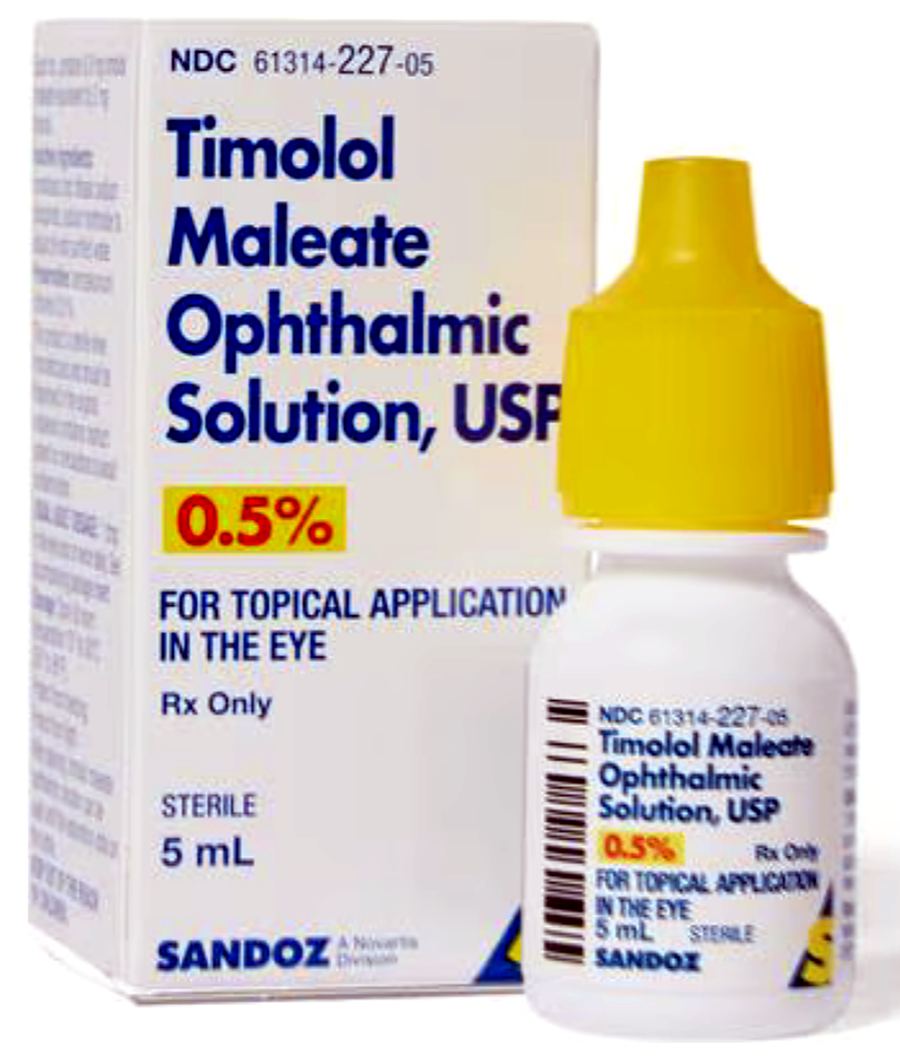
Patients prescribed timolol or combination drops such as dorzolamide-timolol (Cosopt) or brimonidine-timolol (Combigan) often ask when these medications should be used during the day. While these drops are highly effective at lowering intraocular pressure, their timing can influence both their effectiveness and their systemic effects. In particular, there is growing evidence that dosing these medications late at night may not be ideal for many glaucoma patients.

Why Timing Matters
Glaucoma is not solely a disease of elevated intraocular pressure. Blood flow to the optic nerve plays a critical role in disease progression. At night, the body naturally experiences a drop in blood pressure. At the same time, intraocular pressure may remain the same or even increase. This combination can reduce ocular perfusion pressure, which is the pressure driving blood flow to the optic nerve.
Systemic Effects of Timolol
Although administered as an eye drop, timolol is a type of medication called a "beta-blocker" that can be absorbed into the bloodstream. As a result, it can lower heart rate and blood pressure. These systemic effects may persist for several hours after administration.

Nocturnal Hypotension and Glaucoma
Several clinical studies have demonstrated that patients using topical beta-blockers may experience greater drops in nighttime blood pressure. This phenomenon, known as "nocturnal hypotension," has been associated with progression of glaucoma, particularly in patients with normal-tension glaucoma.
Why Nighttime Dosing May Be Suboptimal
When timolol is taken shortly before bedtime, it may further lower blood pressure during sleep, potentially reducing blood flow to the optic nerve. In addition, timolol has been shown to have reduced effectiveness in lowering intraocular pressure during nighttime hours compared to daytime use.

General Dosing Recommendations
Most patients benefit from the following general approach: once-daily dosing in the morning; twice-daily dosing in the morning and late afternoon/early evening; and avoiding dosing immediately before sleep unless directed otherwise.
Who Should Be Especially Cautious
Patients with normal-tension glaucoma, individuals with low blood pressure, patients with sleep apnea, and those with progressive glaucoma despite controlled intraocular pressure should discuss timing carefully with their ophthalmologist.
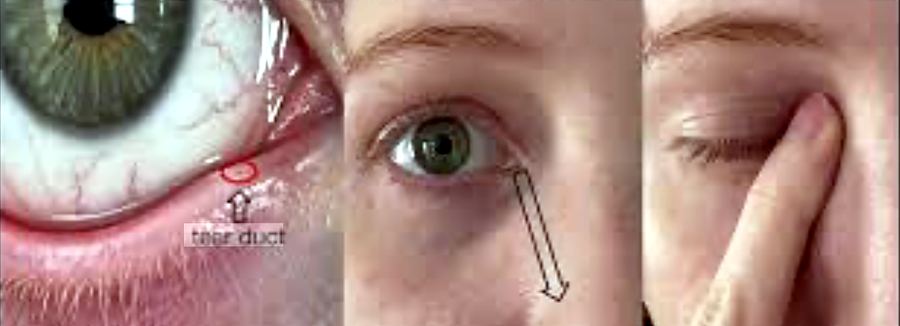
Reducing Systemic Absorption
Patients can reduce systemic absorption of eye drops by performing manual punctal occlusion. This involves gently pressing on the inner corner of the eye for one to two minutes after instilling the drop.
Conclusion
Timolol and dorzolamide-timolol remain important treatments in glaucoma care. However, appropriate timing of these medications is essential. For many patients, morning or early evening dosing provides a safer balance between intraocular pressure control and minimizing systemic effects. Patients should always consult their ophthalmologist for individualized recommendations.
References
- Hayreh Sohan Singh, Zimmerman MB, Podhajsky P, et al. Nocturnal arterial hypotension and its role in optic nerve head and ocular ischemic disorders. American Journal of Ophthalmology. 1994;117(5):603-624. Graham SL, Drance SM. Nocturnal hypotension: role in glaucoma progression. Survey of Ophthalmology. 1999;43(Suppl 1):S10-S16. Hayreh Sohan Singh, et al. Systemic blood pressure, perfusion pressure, and glaucoma. Progress in Retinal and Eye Research. 2001;20(6):697-736. Stewart WC, Chakravarthy U, et al. Effect of topical beta-blockers on nocturnal systemic blood pressure and heart rate. American Journal of Ophthalmology. 1999;127(4):429-435. Quaranta L, Katsanos A, et al. Twenty-four-hour intraocular pressure and ocular perfusion pressure in glaucoma. Survey of Ophthalmology. 2013;58(1):26-41. Liu JHK, et al. Twenty-four-hour intraocular pressure pattern associated with early glaucomatous changes. Investigative Ophthalmology & Visual Science. 2003;44(4):1586-1590. American Academy of Ophthalmology. Preferred Practice Pattern Guidelines: Primary Open-Angle Glaucoma. Latest edition. European Glaucoma Society. Terminology and Guidelines for Glaucoma, 5th Edition. Orzalesi N, et al. The effect of timolol on intraocular pressure during the night. Ophthalmology. 2000;107(5):957-961. Konstas AGP, et al. Twenty-four hour efficacy of glaucoma medications. British Journal of Ophthalmology. 2006;90(6):743-747.
- Clinical recommendations are based on peer-reviewed literature and established glaucoma guidelines; individual treatment should always be tailored by the treating ophthalmologist.