
Glaucoma Conditions We Treat
Inland Glaucoma Center provides expert screening, diagnosis, and treatment for the full spectrum of glaucoma, from the most common forms to rare secondary and pediatric glaucomas. Explore a condition below, try our free risk calculator, or call to schedule a comprehensive evaluation with our board-certified glaucoma specialists.
Start Here

Glaucoma Symptoms
About 99 percent of glaucoma has no symptoms at all. Learn which types do cause pain and halos, and why a pressure feeling is usually not your eye pressure.
Learn More →
Glaucoma Screening & Diagnosis
Early detection protects the optic nerve and preserves sight. Learn who should be screened and what testing involves.
Learn More →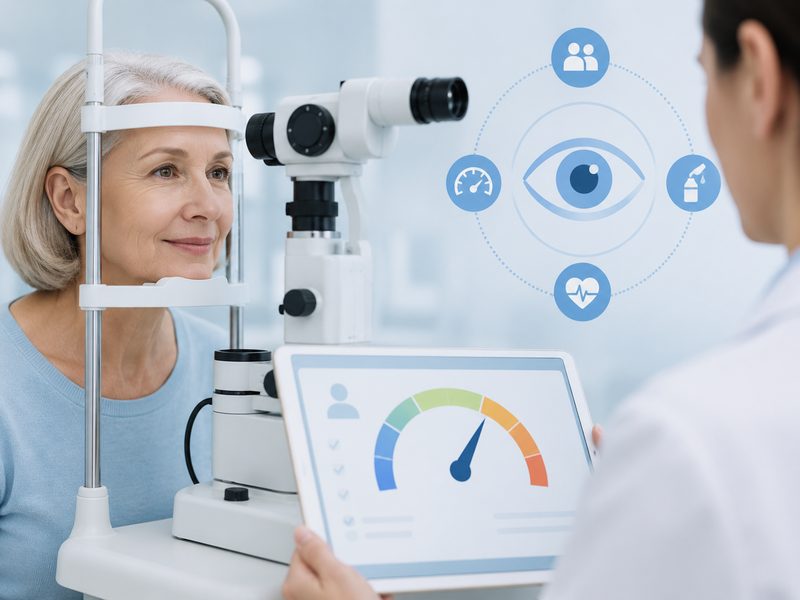
Glaucoma Risk Calculator
A free, private, in-depth tool using published risk factors, family history, corneal thickness, race/ethnicity, eye pressure, and more, to help you understand your risk profile.
Calculate Your Risk →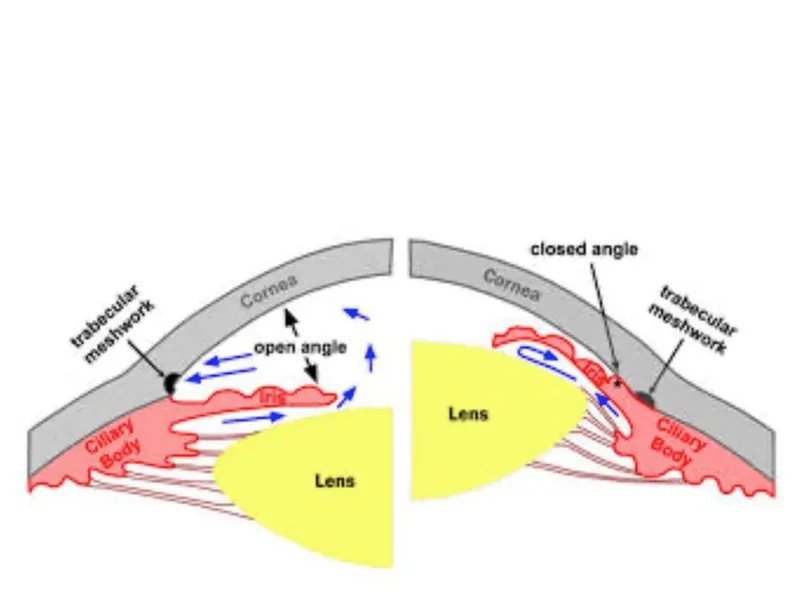
Open-Angle Glaucoma
The most common form of glaucoma, a slow, silent, progressive form of optic nerve damage.
Learn More →Common Glaucomas
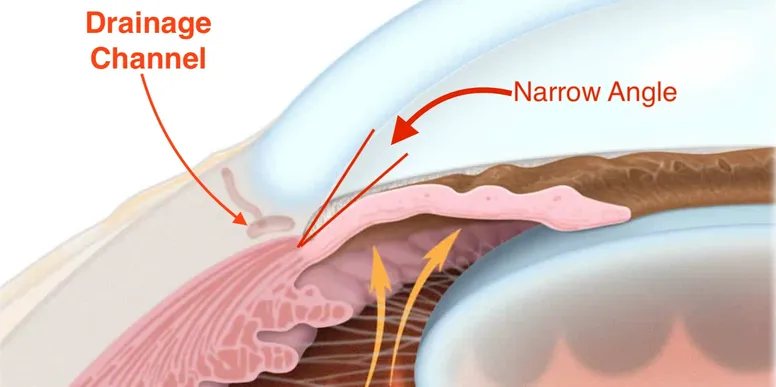
Narrow-Angle Glaucoma
A narrowed drainage angle that can suddenly close, causing a dangerous spike in eye pressure, a true ocular emergency.
Learn More →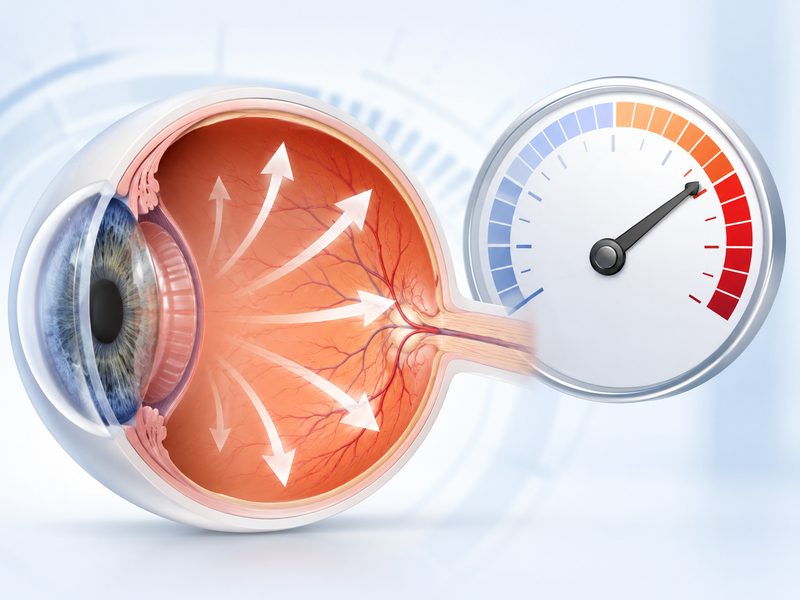
Ocular Hypertension
Elevated eye pressure without optic nerve damage, the single biggest risk factor for developing glaucoma.
Learn More →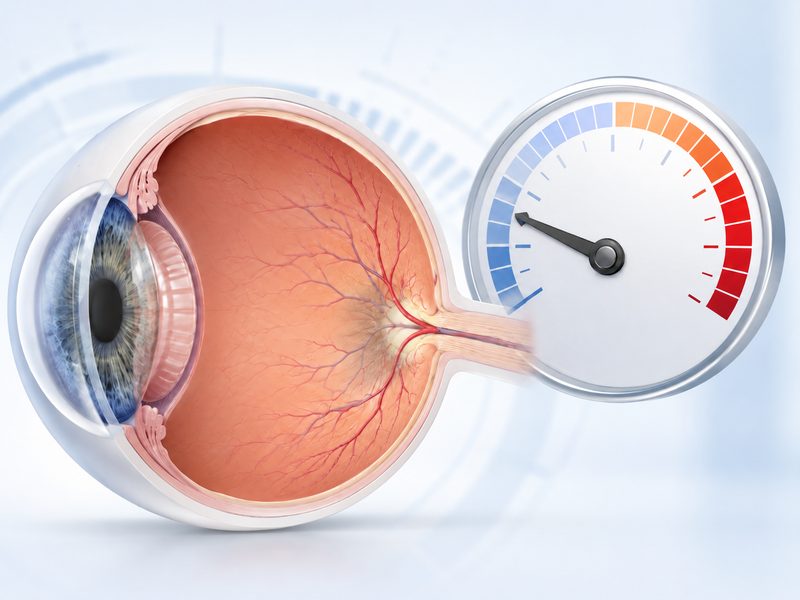
Normal-Tension Glaucoma
Optic nerve damage and vision loss despite eye pressure that measures in the normal range.
Learn More →Plateau Iris Syndrome
An angle-closure variant that stays narrow even after a laser iridotomy, because the angle is crowded by the anatomy behind the iris.
Learn More →Secondary & Structural Glaucomas
Pseudoexfoliation Glaucoma
Flaky protein deposits clog the eye's natural drainage system, one of the most common secondary glaucomas worldwide.
Learn More →Pigment Dispersion Glaucoma
Pigment released from the iris clogs the drainage angle, most often in young, nearsighted adults.
Learn More →Neovascular Glaucoma
Abnormal blood vessel growth from diabetes or retinal vein occlusion causes an aggressive, urgent glaucoma.
Learn More →Combined Mechanism Glaucoma
When angle-closure and open-angle glaucoma coexist in the same eye, both need treatment.
Learn More →Traumatic & Angle Recession Glaucoma
Blunt eye trauma can silently damage the drainage angle, causing glaucoma years or decades later.
Learn More →Lens-Induced Glaucoma
An advanced, swollen, or injured cataract itself drives eye pressure dangerously high. Prompt cataract surgery is usually the cure.
Learn More →ICE Syndrome
Abnormal corneal cells spread across the drainage angle and iris, causing glaucoma and corneal swelling, usually in one eye of a younger adult.
Learn More →Inflammatory & Infectious Glaucomas
Uveitic Glaucoma
Inflammation inside the eye can block the drainage angle and raise eye pressure.
Learn More →Herpetic Glaucoma (HSV)
Herpes simplex virus can inflame the eye's drainage tissue, causing sudden pressure spikes.
Learn More →Shingles-Related Glaucoma
Shingles affecting the eye (herpes zoster ophthalmicus) can cause severe, prolonged glaucoma.
Learn More →Posner-Schlossman Syndrome
Recurring attacks of very high eye pressure in one eye, often returning to normal between episodes.
Learn More →Medication & Surgery-Related Glaucomas
Steroid-Induced Glaucoma
Steroids taken by any route, drops, pills, inhalers, nasal sprays, or skin creams, can raise eye pressure.
Learn More →Medications That Can Cause Glaucoma
Steroids, topiramate, decongestants, calcium channel blockers, and more, which medications affect your eye pressure.
Learn More →UGH Syndrome (Uveitis-Glaucoma-Hyphema)
When a lens implant rubs the iris after cataract surgery, it can cause recurring inflammation, high eye pressure, and bleeding.
Learn More →Glaucoma After Cataract Surgery
Retained lens fragments, inflammation, or steroid drops can raise eye pressure after cataract surgery.
Learn More →Malignant Glaucoma
A rare but serious post-surgical glaucoma (aqueous misdirection) in which fluid is diverted backward, shallowing the eye and raising pressure.
Learn More →Pediatric & Genetic Conditions
Conditions That Mimic or Coexist With Glaucoma
Not sure which condition applies to you? Our glaucoma specialists will guide you through testing and explain your results in plain language.