

For decades, glaucoma treatment has relied heavily on daily eye drops. While these medications can be effective, they come with real challenges: remembering to use them every day, applying them correctly, managing side effects, and dealing with long-term costs. For many patients, especially those juggling multiple medications or busy schedules, this can be overwhelming.
Today, glaucoma care is evolving. Ophthalmology is shifting toward longer-lasting, more automated, and less invasive treatment options that reduce dependence on daily drops while still protecting vision. Three of the most important advances driving this change are selective laser trabeculoplasty, sustained-release drug delivery systems, and minimally invasive glaucoma surgery (MIGS).
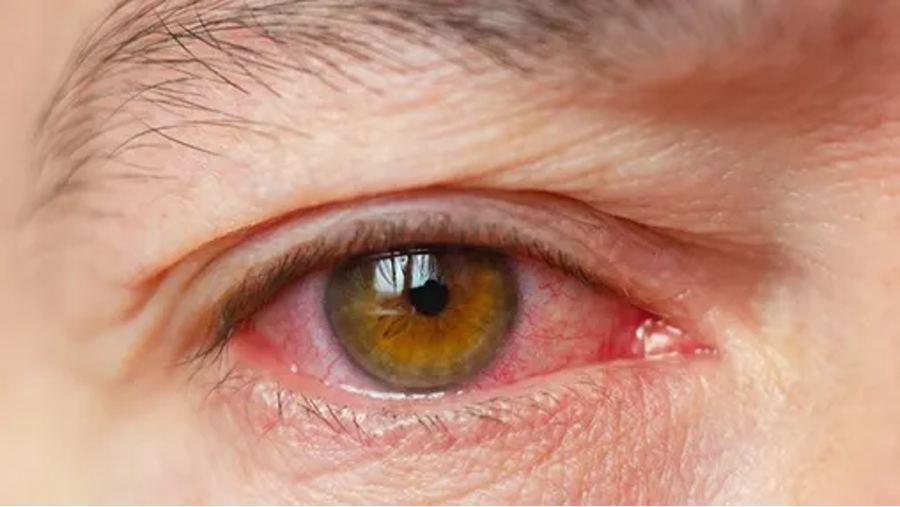
Why Daily Eye Drops Are Not Always Ideal
Eye drops lower eye pressure by improving fluid drainage or reducing fluid production inside the eye. However, studies show that many patients miss doses or stop using drops over time. Even when patients are highly motivated, drops can be hard to use correctly due to arthritis, tremors, poor vision, or discomfort. Other drawbacks include inconsistent drug absorption, redness, irritation or dry eye, preservative-related surface damage, ongoing refill costs, and medication fatigue over years or decades. Because glaucoma is a lifelong condition, doctors and patients alike have been searching for more reliable long-term solutions.
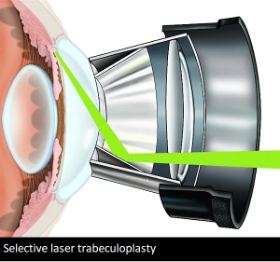
Selective Laser Trabeculoplasty (SLT)
Selective laser trabeculoplasty (SLT) is one of the best treatments for glaucoma because it effectively lowers eye pressure while being safe, quick, and noninvasive. By targeting the eye's natural drainage system, SLT improves fluid outflow without damaging surrounding tissue, which means it can be repeated if needed. It avoids the daily burden and side effects of glaucoma drops, making it especially helpful for patients who struggle with medication adherence. With strong long-term evidence, minimal recovery time, and a favorable safety profile, SLT is often an ideal first-line or early treatment for controlling glaucoma and preserving vision.
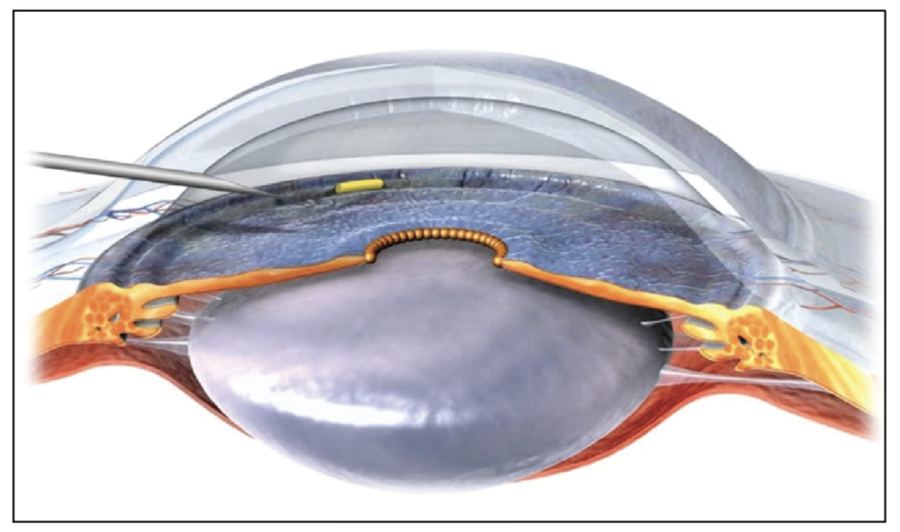
Sustained-Release Drug Delivery: Medication That Works in the Background
Sustained-release glaucoma treatments are designed to deliver medication slowly over weeks or months without daily drops. These therapies place medication directly where it is needed, improving consistency and reducing reliance on patient compliance. Common approaches include tiny biodegradable implants placed inside the eye during an office visit, slow-release inserts that dissolve over time, and drug-eluting devices placed during cataract or glaucoma surgery. These systems can provide steady pressure-lowering effects while minimizing surface irritation and missed doses. For many patients, this means fewer medications, fewer side effects, and better long-term pressure control.
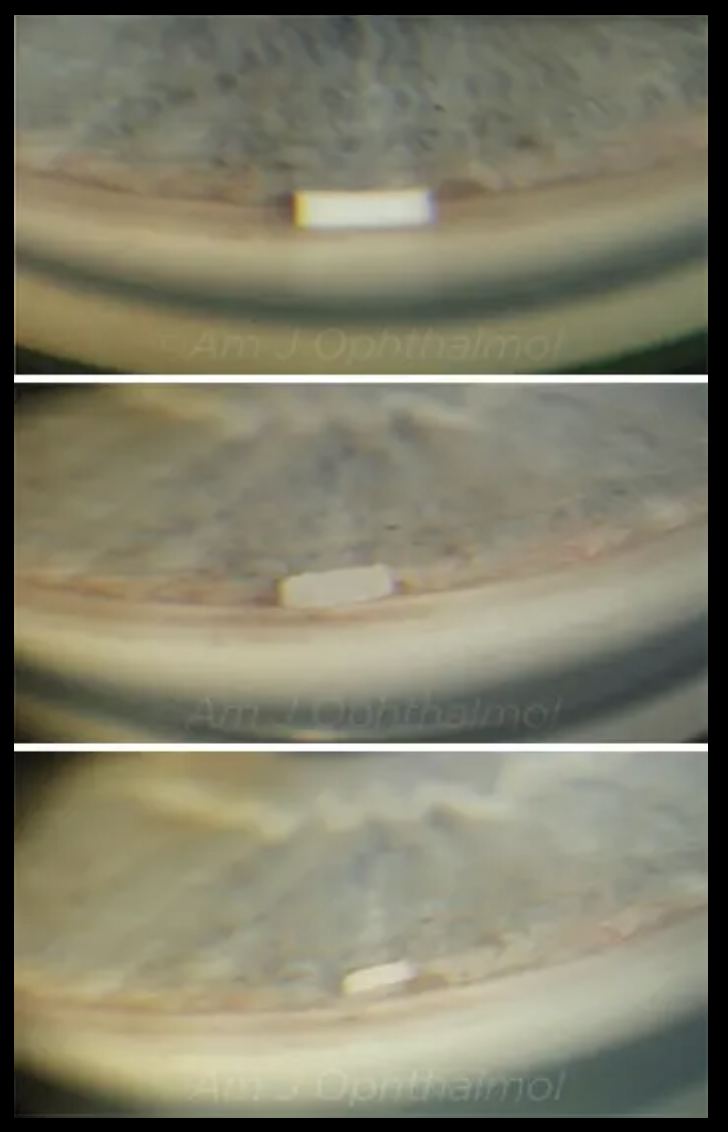
MIGS: Treating the Drainage Problem at Its Source
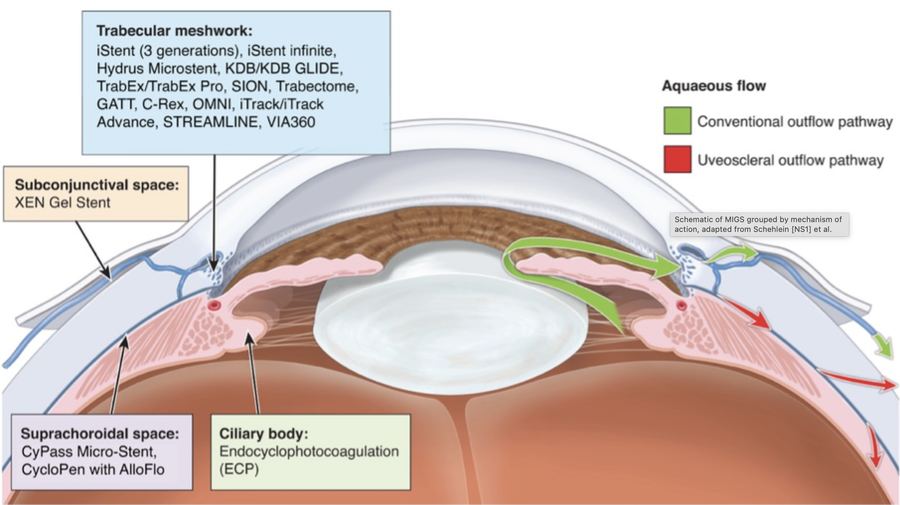
Minimally Invasive Glaucoma Surgery (MIGS) represents a major shift in how glaucoma is treated. Instead of relying solely on medications, MIGS procedures aim to improve the eye's natural drainage system to lower pressure from within. MIGS procedures are performed through microscopic incisions, often combined with cataract surgery, designed for faster recovery and high safety, and intended to reduce or eliminate the need for drops. By improving fluid outflow directly, MIGS can provide durable pressure reduction with far fewer risks than traditional glaucoma surgeries. Many patients are able to significantly cut back on medications after these procedures.
Combining Technologies for Better Outcomes
One of the most exciting trends in glaucoma care is combining MIGS with sustained-release drug delivery. This approach tackles glaucoma from two angles: improving fluid drainage surgically and providing long-term medication automatically, sometimes alongside gentle laser therapy such as SLT. Together, these strategies can offer more stable pressure control with less daily effort from the patient. For many people, this means better quality of life and less anxiety about managing their condition.
Is This the Right Approach for Everyone?
Not every glaucoma patient needs surgery or sustained-release therapy. The best treatment depends on the type and severity of glaucoma, eye anatomy, age and lifestyle, medication tolerance, and whether cataract surgery is planned. An individualized discussion with an ophthalmologist is essential. The goal is not to eliminate drops at all costs, but to use the safest, most effective tools available to preserve vision over a lifetime.
Looking Ahead
Glaucoma care is moving toward a future where treatment is more automatic, consistent, and patient-friendly. Sustained-release drug delivery and MIGS are key steps in that evolution, offering new options that reduce dependence on daily eye drops while maintaining excellent pressure control. For patients, this means fewer reminders, fewer side effects, and greater peace of mind, without compromising the most important goal of all: protecting vision.
References
- Friedman DS, Okeke CO, Jampel HD, et al. Risk factors for poor adherence to eyedrops in electronically monitored patients with glaucoma. Ophthalmology. 2009;116(6):1097-1105. Medeiros FA, Walters TR, Kolko M, et al. Long-term efficacy and safety of a sustained-release intracameral bimatoprost implant in patients with open-angle glaucoma. Ophthalmology. 2020;127(12):1627-1641. Saheb H, Ahmed IIK. Micro-invasive glaucoma surgery: current perspectives and future directions. Curr Opin Ophthalmol. 2012;23(2):96-104. Lavia C, Dallorto L, Maule M, Ceccarelli M, Fea AM. Minimally-invasive glaucoma surgeries (MIGS) for open angle glaucoma: a systematic review and meta-analysis. PLoS One. 2017;12(8):e0183142. Brandt JD, VanDenburgh AM, Chen K, Whitcup SM. Comparison of topical medications with sustained-release drug delivery systems for glaucoma management. Am J Ophthalmol. 2021;223:10-21.