
A New Way of Thinking About Glaucoma

Glaucoma is often called the "silent thief of sight." It is a group of eye diseases that damage the optic nerve, the cable that carries visual information from your eye to your brain. Over time, this damage can lead to permanent vision loss.
Most current glaucoma treatments are designed to do one thing: lower eye pressure (intraocular pressure, or IOP). We use prescription eye drops, laser treatments, and surgery to reduce pressure and prevent further damage. And while lowering pressure absolutely works and is lifesaving for vision, there's an important limitation: we currently have no proven treatment that directly protects or regenerates the nerve cells damaged by glaucoma. That may be starting to change.
What Actually Gets Damaged in Glaucoma?
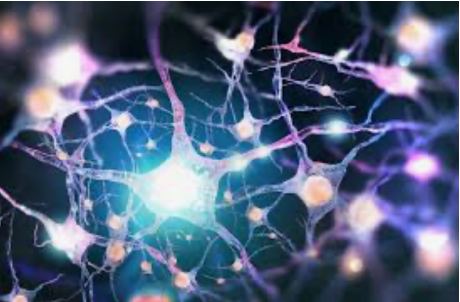
Inside the retina (the light-sensitive tissue in the back of the eye) are specialized nerve cells called retinal ganglion cells (RGCs). These cells collect visual signals and send them through the optic nerve to the brain. Each retinal ganglion cell has a cell body, a long extension called an axon (which forms part of the optic nerve), and tiny communication points called synapses.
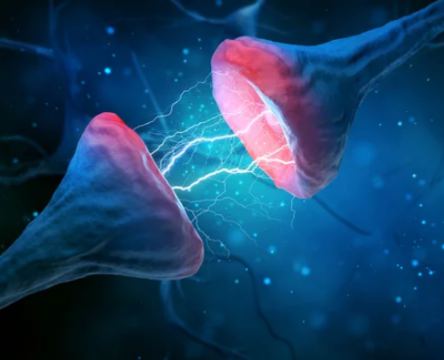
Synapses are the microscopic connection points where nerve cells communicate with one another, think of them as electrical plug-ins or connection ports that allow visual information to flow. In many neurodegenerative diseases, like Alzheimer's and Parkinson's, synapse loss happens early, even before full cell death. Now, researchers are applying that same concept to glaucoma.
The New Idea: Protect the Connections, Not Just the Pressure
A recent preclinical study (in a mouse model of glaucoma) investigated a compound called SPG302. The focus wasn't on lowering eye pressure. Instead, the focus was on preserving synapses, protecting retinal ganglion cells, maintaining axonal integrity, and preserving retinal function.
The results were encouraging: retinal ganglion cells survived better, the optic nerve structure was better preserved, and retinal function was maintained compared to untreated models. This is exciting because it represents a completely different treatment approach.
Why This Is Getting So Much Attention
It targets the neurodegenerative component of glaucoma. Glaucoma isn't just a "pressure disease", it is also a neurodegenerative disease, meaning nerve cells gradually become dysfunctional and die. Lowering pressure slows damage, but it does not directly repair neurons. Synaptic regeneration therapy aims to protect vulnerable nerve cells, preserve communication pathways, and potentially restore function. That's a major conceptual shift.
It frames glaucoma like other brain diseases. The retina and optic nerve are technically part of the central nervous system (CNS). If synapse loss is an early, actionable step in diseases like Alzheimer's, then protecting synapses early in glaucoma could potentially prevent permanent vision loss. This aligns glaucoma research with modern neuroscience.
It may help patients even when eye pressure is "controlled." Many patients have well-controlled eye pressure, yet their glaucoma still progresses. That's one of the most frustrating realities of the disease. A therapy that protects retinal ganglion cells, preserves synaptic connections, and maintains function could potentially benefit patients even after pressure has been lowered. That would represent a major breakthrough.
Is This Available Now?
No, this research is still preclinical, meaning it has been studied in laboratory and animal models. Before becoming available for patients, it must go through human safety trials, larger clinical studies, and regulatory approval. But the direction is important. For decades, glaucoma treatment has focused almost exclusively on pressure. This research opens the door to something we have long hoped for: true neuroprotection, and possibly even neural regeneration.
What This Could Mean for the Future
If synaptic regeneration therapies prove successful in humans, we could eventually see combination treatments (pressure-lowering plus neuroprotection), slower progression in advanced glaucoma, better preservation of functional vision, and a shift from "damage control" to "damage prevention and repair." For patients living with glaucoma, that's a powerful and hopeful idea.
The Bottom Line
Glaucoma damages the optic nerve by harming retinal ganglion cells and their connections. Current treatments lower eye pressure and slow damage, but they do not directly protect or regenerate nerve cells. New research targeting synaptic regeneration may represent the next frontier in glaucoma therapy. While still early, this approach aims to preserve the delicate neural connections that allow us to see. And that is why this discovery is generating so much excitement.
References
- Preclinical study suggests synaptic regeneration may offer new pathway to treat glaucoma. Ophthalmology Times. Published 2025. Weinreb RN, Aung T, Medeiros FA. The pathophysiology and treatment of glaucoma. JAMA. 2014;311(18):1901-1911. Nickells RW, Howell GR, Soto I, John SWM. Under pressure: cellular and molecular responses during glaucoma, a common neurodegeneration with axonopathy. Annu Rev Neurosci. 2012;35:153-179.