
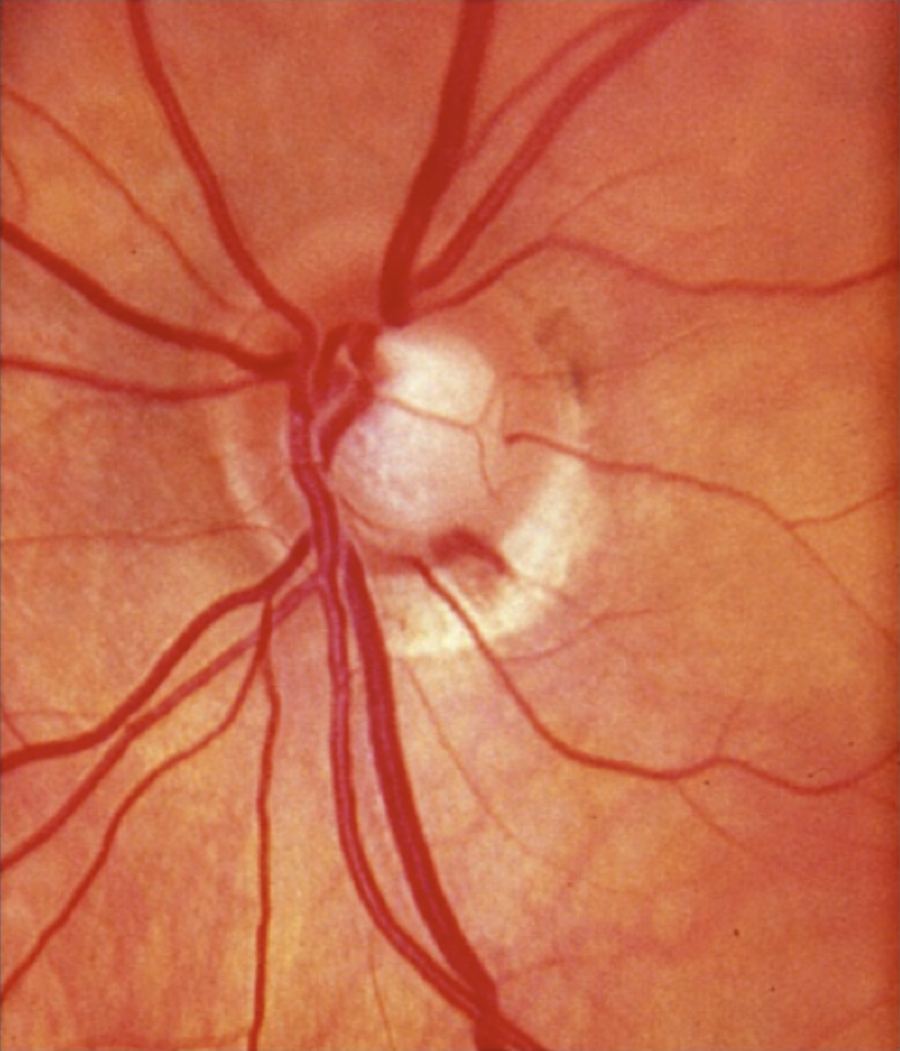
When most people think about glaucoma, they think about optic nerve damage in the setting of elevated eye pressure. While that is usually true, there is another form of glaucoma where the pressure inside the eye is not elevated, and yet damage still occurs. This is called Normal Tension Glaucoma (NTG).
What Is Normal Tension Glaucoma?
NTG is considered a subset of open-angle glaucoma. In NTG, the intraocular pressure (IOP) stays within the normal range (typically 10-21 millimeters of mercury). Despite the pressure being "normal," the optic nerve is still damaged, and patients may lose peripheral vision over time.
Why Does It Happen?
Researchers believe NTG develops because the optic nerve is unusually sensitive to an eye pressure that is otherwise considered "normal" in the average eye. Other contributing factors may include reduced blood flow to the optic nerve (an active area of current research), vascular dysregulation (such as in patients with migraines, Raynaud's phenomenon, or systemic low blood pressure), nocturnal hypotension (blood pressure dropping too low at night), and genetic predisposition.
Who Is at Risk?
Similar to patients with standard open-angle glaucoma, people with a family history of glaucoma are at increased risk. Patients with thin corneas, which can make the true pressure lower than what is measured, and patients with systemic vascular issues (low blood pressure, sleep apnea, migraines) are also at higher risk. NTG is often more common in people of Japanese and Korean descent, but it can affect anyone.
How Is It Diagnosed?
Diagnosis usually involves a comprehensive glaucoma work-up and careful close monitoring, including Optical Coherence Tomography (OCT) to measure nerve fiber layer thickness, visual field testing to detect subtle changes in peripheral vision, optic nerve examination and photography to monitor progression, and sometimes 24-hour or nighttime blood pressure evaluation. Since eye pressure is "normal," it is the structural and functional tests that reveal the disease over time.
How Is It Treated?
Even though eye pressure is "normal," lowering it further is the only proven way to slow NTG. Studies show that reducing eye pressure by about 30% lowers the risk of progression by about half. Treatment options include laser therapy (SLT) as a pressure-lowering option, prescription eye drops to reduce IOP, and minimally invasive or traditional glaucoma surgery if progression continues despite drops or laser. Lifestyle adjustments may also help, such as treating sleep apnea, avoiding extreme nocturnal blood pressure drops, and maintaining good vascular health.
Why Early Detection Matters
Because NTG, just like normal open-angle glaucoma, can progress silently, and patients often don't know they have vision loss until it's advanced, regular eye exams are critical. This is especially true for those at higher risk, such as those with a family history or evidence of systemic vascular dysregulation.
Key Takeaways
NTG is glaucoma that occurs despite "normal" eye pressure. It is linked to optic nerve sensitivity and vascular factors. Diagnosis relies on OCT, visual fields, and optic nerve evaluation. Treatment still focuses on lowering eye pressure further than baseline. Early detection and consistent monitoring together are the best defense.